
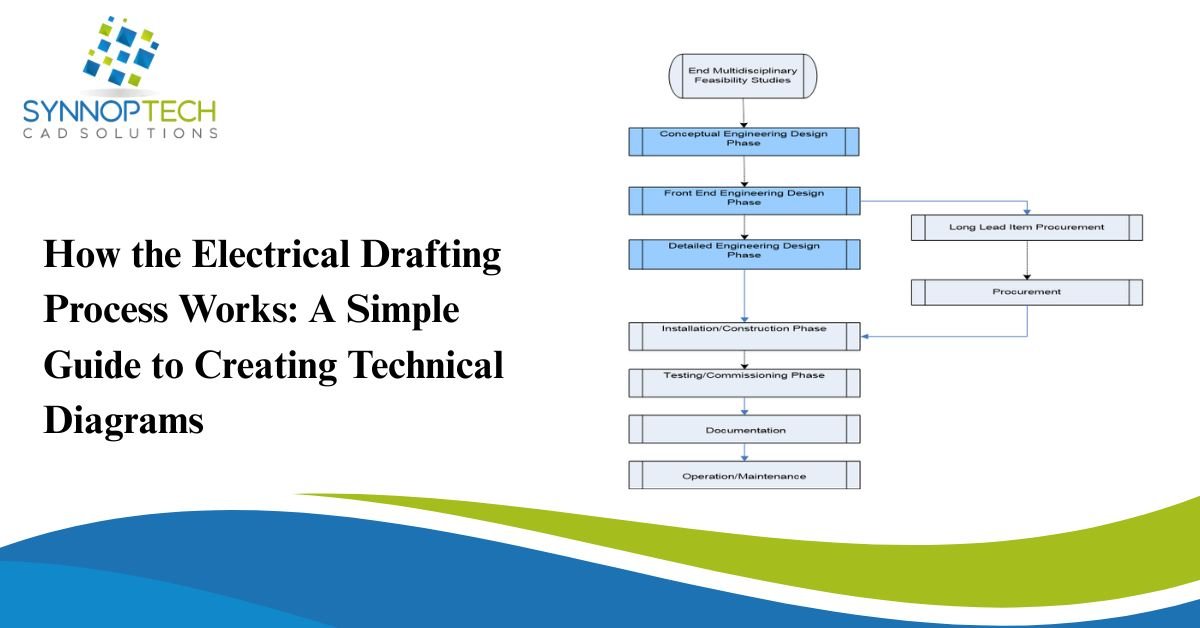
Electrical diagrams do not appear out of nowhere – they are carefully planned, designed and formatted before any wires are installed in a building or machine. This entire workflow is known as the electrical drafting process, and it is one of the most important steps in electrical engineering and manufacturing. Whether you’re a student, a novice, or just curious to know how these technical drawings are created, this guide explains everything in a clear and natural way.
What is electrical drafting?
Electrical drafting is the process of creating technical drawings that show how an electrical system should be designed and installed. These diagrams serve as official “maps” for electricians, engineers, and contractors. These include symbols for switches, wires, breakers, lights, motors, panels, and every other electrical component in the system. Without proper drafting, electrical projects will be confusing, unsafe, and prone to mistakes.
Good drafting brings clarity, accuracy and structure to the entire installation process
Why Electrical Drafting Matters So Much
A good electrical drawing ensures that the system is safe, streamlined, and easy to build. Since everything is planned out on paper (or computer) first, electricians can follow the design step by step. Drafting also helps estimate materials, prevent overloading, and comply with building codes. Even small mistakes in electrical design can lead to hazards, so accurate drafting plays a major role in reducing risks and ensuring smooth project execution.
The Electrical Drafting Process Explained
The drafting process begins long before any lines are drawn. First, the draftsman reviews the project requirements and studies the architectural layout. They need to understand the electrical needs of the space – where lights will be installed, how many sockets are needed, what appliances will be used, and how the wires will be safely routed. This initial understanding lays the foundation for the rest of the drawing.
Once the requirements are clear, the draftsman creates a preliminary layout. This sketch is not final but helps to visualize the overall design. This includes the approximate locations of outlets, switches, lights, and distribution boards. At this stage, it is easier to make changes, which helps to avoid problems in detailed drawings later.
Once the layout is approved, the actual drafting begins. Every electrical diagram uses international symbols in place of words, keeping the diagram clean and universally understandable. These symbols represent components such as lights, wires, breakers, motors, sensors, and panels. The draftsman then begins to create detailed technical drawings using CAD software such as AutoCAD, EPLAN or SolidWorks Electrical. This software allows for accurate measurements, clean linework, and easy editing.
This detailed diagram shows everything clearly – wiring routes, circuit divisions, panel details and load distribution. This basically becomes the entire blueprint that the electricians will follow on site. Once the drawing is ready, the draftsman adds technical notes such as wire sizes, circuit numbers, equipment ratings and safety instructions. These details ensure that the system is installed correctly and functions safely under load.
The final step is review and approval. The electrical engineer carefully examines the drawings, suggests improvements if necessary, and makes sure everything meets code standards. When the drawing is approved, it is ready for implementation at the project site.
Types of Electrical Drawings Prepared During Drafting
Throughout the drafting process, multiple diagrams may be created depending on the project needs. Some of the most common ones include:
- Single-line diagrams (SLD) that show power distribution in a simplified form.
- Wiring or schematic diagrams that illustrate how each component connects.
- Panel layout drawings that explain the internal arrangement of control panels.
- Lighting and cable routing plans that show fixture placement and wire pathways.
Each drawing serves a different purpose, but together they form the complete electrical design package.
Tools Used in Modern Electrical Drafting
Today most drafting work is done digitally. CAD software makes it easy to create accurate, scalable drawings and edit them as needed. Popular tools include AutoCAD, EPLAN Electric P8, Revit, and Microstation. These tools ensure clean layout, better visualization, and fewer errors during installation.
Summary: The electrical drafting process is an important part of electrical design. From understanding project needs to preparing detailed drawings, every step ensures that the electrical system is safe, efficient and easy to install. It’s a blend of technical knowledge, planning, and precision – that transforms complex electrical ideas into clear, readable diagrams that professionals trust.
