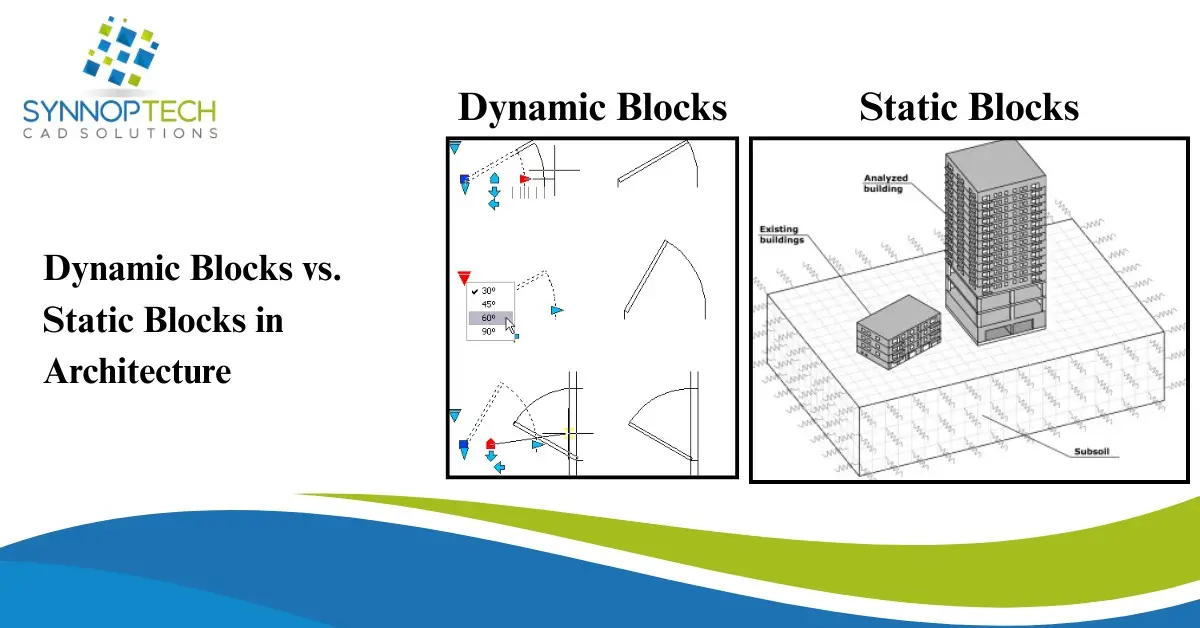
Architecture has always been about more than just making buildings – it is about shaping the way people live, work and interact with places. At the heart of every structure are architectural blocks, the fundamental elements that define form, strength, and function. Although these blocks may seem simple, the way they are designed and used has evolved significantly over time.
In modern architecture, two ideas are often at odds: sustainability and adaptability. On the one hand, buildings must be strong, safe and long-lasting. On the other hand, they need to respond to changing user needs, technology and environmental conditions. This balance is where the concepts of static blocks and dynamic blocks come into play.
This blog explores what static and dynamic blocks are, how they differ, where each is most effective, and why understanding this distinction matters in contemporary architectural design.
What are Architectural Blocks?
Architectural blocks are the basic building components used to create structures and spaces. These blocks can be physical elements like walls, slabs, columns, and modules, or conceptual design units that help organize space and function.

Their role goes far beyond simply holding a building together. Blocks define:
- Structural integrity
- Spatial layout and circulation
- Visual rhythm and form
- How spaces are used and experienced
Traditionally, architectural blocks were largely permanent and rigid. Think stone masonry, brick walls, or solid concrete frames. However, as cities became denser and lifestyles became more mobile, architects began to rethink how blocks could adapt to modern needs. This shift led to the emergence of flexible, dynamic and responsive architectural elements – what we now refer to as dynamic blocks.
What Are Static Blocks?
Static blocks are architectural elements that remain fixed in place throughout the life of a building. Once constructed, they do not move, change shape, or adapt to different functions. These blocks form the structural backbone of most buildings.
Core Characteristics of Static Blocks
- Fixed and immovable
- Rigid and load-bearing
- Designed for strength and permanence
- Minimal reliance on technology
Common Materials Used
- Concrete
- Brick and masonry
- Stone
- Steel (in fixed structural frames)
Examples in Buildings
- Load-bearing walls
- Structural columns and beams
- Fixed floor slabs
- Permanent partitions
You’ll find static blocks in almost every type of building, from traditional homes to skyscrapers.
Advantages of Static Blocks
One of the biggest strengths of static blocks is structural stability. They are reliable, predictable, and trusted across centuries of architectural practice.
Other key advantages include:
- Long-term durability: Built to last decades, even centuries
- Cost efficiency: Generally cheaper to design and construct
- Low maintenance: Fewer moving parts mean fewer failures
- Safety and compliance: Easier to meet building codes
Limitations of Static Blocks
Despite their reliability, static blocks come with certain drawbacks:
- Limited flexibility: Spaces cannot easily change function
- Poor adaptability: Renovations often require demolition
- Design constraints: Can feel rigid in modern, open layouts
As lifestyles evolve, these limitations have pushed architects to explore more adaptable solutions.
What Are Dynamic Blocks?
Dynamic blocks are architectural elements designed to move, transform, or respond to users and the environment. Unlike static blocks, they introduce flexibility and interaction into a building.
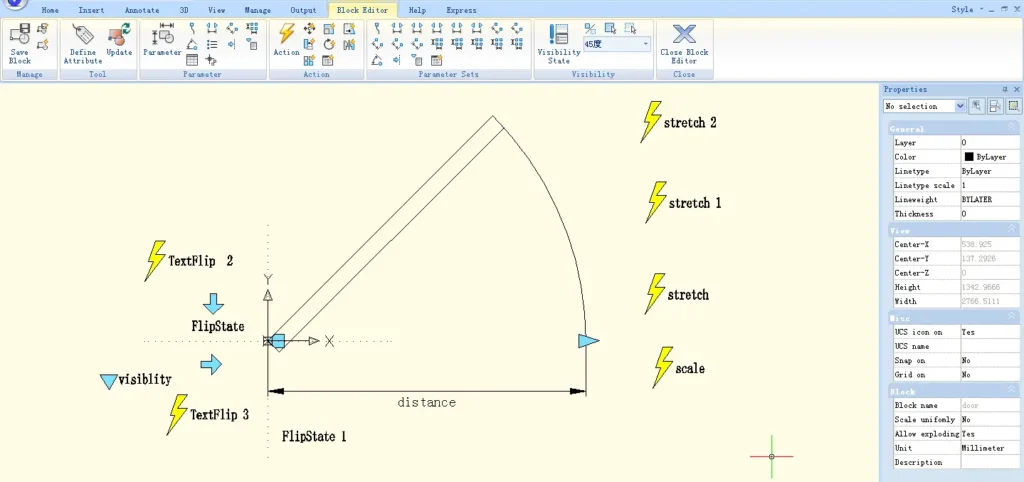
Core Characteristics of Dynamic Blocks
- Movable or adjustable
- Responsive to light, climate, or occupancy
- Often technology-driven
- User-centric in design
Role of Technology
Dynamic blocks rely heavily on modern technology, including:
- Sensors
- Automation systems
- Smart materials
- Mechanical and kinetic systems
Examples in Modern Architecture
- Sliding or folding partitions
- Retractable roofs
- Kinetic façades
- Adjustable shading systems
- Modular units that can be reconfigured
These elements are increasingly common in smart buildings and contemporary architectural projects.
Advantages of Dynamic Blocks
Dynamic blocks bring a sense of freedom and innovation to architecture:
- Spatial flexibility: One space can serve multiple purposes
- Better user experience: Buildings adapt to people, not the other way around
- Environmental responsiveness: Improved daylight, ventilation, and energy use
- Modern aesthetics: Adds visual interest and innovation
Limitations of Dynamic Blocks
However, flexibility comes at a cost:
- Higher initial investment
- Ongoing maintenance needs
- Technical complexity
- Risk of mechanical failure
These factors must be carefully considered during the design phase.
Key Differences Between Dynamic and Static Blocks
The main difference lies in how they behave within a building.
- Structural behavior: Static blocks are rigid; dynamic blocks allow movement
- Flexibility: Static blocks resist change; dynamic blocks embrace it
- Cost and maintenance: Static blocks are cheaper and simpler; dynamic blocks are more expensive and complex
- Design impact: Static blocks support traditional forms; dynamic blocks encourage innovation
- Sustainability: Static blocks provide longevity, while dynamic blocks improve energy efficiency through responsiveness
Rather than competing, these two approaches often complement each other.
6. Applications in Architecture
Use Cases for Static Blocks
Static blocks are ideal when strength and permanence are critical:
- Residential buildings
- High-rise structures
- Bridges and infrastructure projects
- Structural cores and foundations
They ensure safety, stability, and long-term performance.
Use Cases for Dynamic Blocks
Dynamic blocks shine in spaces that demand adaptability:
- Commercial and office environments
- Exhibition halls and museums
- Retail spaces
- Smart homes and adaptive buildings
These spaces benefit from the ability to change quickly and efficiently.
Integrating Dynamic and Static Blocks
Most successful modern buildings use both static and dynamic blocks. Static blocks provide the essential structure, while dynamic blocks add flexibility and responsiveness.
For example:
- A concrete structural core (static) paired with movable interior partitions (dynamic)
- Fixed building frames combined with responsive façades
Design strategies focus on balance—using static blocks where strength is required and dynamic blocks where change is expected.
Impact on Sustainability and Future Design
Dynamic blocks play an increasing role in sustainable architecture. Adjustable shading, ventilation panels and smart facades help reduce energy consumption. Meanwhile, static blocks contribute through durability and reduced material replacement over time.
As smart technology and automation continue to advance, dynamic systems will become more reliable and affordable. Nevertheless, static blocks will remain essential, forming the foundation on which adaptive architectures will be built.
Challenges and Design Considerations
Architects must weigh several factors when choosing between static and dynamic blocks:
- Project budget
- Technical expertise available
- Safety regulations and building codes
- Long-term maintenance planning
A thoughtful approach ensures the design remains functional, safe, and cost-effective.
Conclusion
Dynamic and static blocks represent two sides of architectural design – stability and change. Static blocks provide strength, reliability, and longevity, while dynamic blocks bring flexibility, innovation, and responsiveness.
The key is not to choose one over the other, but to understand when and how to use each. By thoughtfully combining the two, architects can create buildings that are both strong and responsive to the growing needs of the people who use them.