If you’ve ever struggled to picture a design just by looking at sketches or floor plans, you’re not alone. Most people want to see how something will actually look before they give it the green light. This is why photorealistic rendering has become such a helpful tool in design and construction.
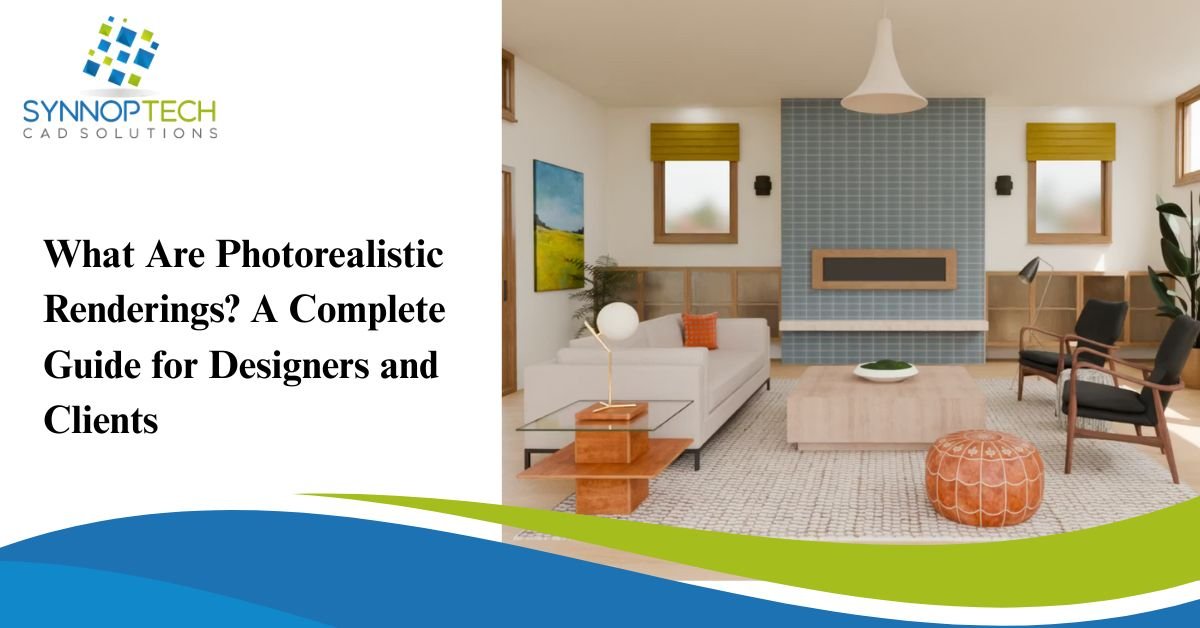
These pictures look so real that at first glance you will think that they have been taken with a camera. But they were created digitally long before anything was manufactured or produced. For designers and clients, this makes discussion, approval, and planning much easier.
What Are Photorealistic Renderings?
In simple terms, they are computer-generated images that look like real photographs. They depict a location, product or building in a way that feels true to life – textures, lighting, shadows, reflections, everything.
Think of it as seeing the finished result before any actual work begins.
Why They’re So Useful
1. They make ideas easy to understand
Instead of clients trying to imagine a finished room from a blueprint, they get a clear visual. It removes confusion and helps everyone get on the same page.
2. They prevent expensive mistakes
If something looks off in a render, designers can fix it early. It’s much better than discovering the issue after building or manufacturing.
3. They help with marketing
Developers can promote a property before construction starts. Designers can show off their ideas more confidently. Good visuals attract attention—plain and simple.
4. They build trust
When clients can clearly see what you’re proposing, they feel more comfortable moving forward.
Where You’ll See Photorealistic Renderings Being Used
- Architecture and interiors – Homes, offices, remodels, kitchen designs, landscape layouts.
- Real estate – Showcasing future apartments, condos, and commercial projects.
- Product design – Displaying items before manufacturing.
- Advertising – Creating visuals that would be costly or impossible to photograph.
- Construction planning – Helping contractors understand details better.
How These Renderings Are Created
The process depends on the project, but it usually goes something like this:
- A 3D model of the space or product is built.
- Materials like wood, stone, metal, or fabric are applied.
- Lighting is set up to create a natural look.
- Camera angles are chosen—similar to planning a real photo shoot.
- The software processes the image, turning it into a detailed, realistic picture.
- A final touch-up is done to make the image cleaner and sharper.
Why Both Designers and Clients Love Them
Designers get quicker approvals, fewer revisions, and stronger presentations.
Clients get clarity, confidence, and the chance to request changes early instead of after construction starts.
Everyone saves time, money, and stress.
Summary: Photorealistic renderings aren’t just fancy images – they’re practical tools that make projects easier from start to finish. They help people understand ideas clearly, avoid surprises, and feel more confident about the decisions they are making.
If you’re designing a space, planning a construction, or launching a product, these realistic visuals can make the whole process much easier and more enjoyable.